
FBG Sensörü Çalışma Sıcaklığı Aralığı - FBG Termometre Sıcaklık Aralığı - Yüksek/Düşük Sıcaklık Direnci
İçindekiler:
Ⅰ. Fiber Bragg Izgara Sıcaklık Sensörü için Ölçüm Aralığı Kavramı
Fiber Bragg Izgaralı (FBG) sıcaklık sensörünün ölçüm aralığı, sensörün etkili bir şekilde çalışabileceği ve sıcaklık ölçümlerini gerçekleştirebileceği sıcaklık aralığını ifade eder. Ayrıca sensörün çalışma aralığı, sıcaklık ölçüm aralığı veya sıcaklık toleransı olarak da bilinir.
Ⅱ. Fiber Bragg Izgara Sıcaklık Sensörünün Malzeme Bileşimine Göre Belirlenen Çalışma Sıcaklığı Aralığı
Fiber Bragg Izgara sıcaklık sensörünün çalışma sıcaklığı aralığı, FBG'nin kendisi ve kapsülleme malzemesi de dahil olmak üzere sensörü oluşturmak için kullanılan malzemeler tarafından belirlenir. Bu malzemelerin sıcaklık direnci, Fiber Bragg Izgara sıcaklık sensörünün, sensörün dayanabileceği en yüksek ve en düşük sıcaklıkları içeren ölçüm aralığını toplu olarak belirler.
Ⅲ. Aşırı Yüklemeyi Önleme: Fiber Bragg Izgara Sıcaklık Sensörü Sınırlamaları
All OFSCN® capillary series Fiber Bragg Grating temperature sensors produced by DCYS have specified working temperature ranges, ve they should not be used beyond their specified limits. Short-term, small-scale overloading may result in reduced repeatability ve accuracy of the OFSCN® capillary series Fiber Bragg Grating temperature sensors, in which case, recalibration services can be provided by DCYS. Long-term, large-scale overloading may lead to irreparable damage to the OFSCN® capillary series Fiber Bragg Grating temperature sensors.
Ⅳ. Dikişsiz Çelik Boru Kapsüllenmiş Fiber Bragg Izgara Sıcaklık Sensörünün Çalışma Sıcaklığı Aralığı (Ölçüm Aralığı)
The patented OFSCN® Capillary Seamless Steel Tube series FBG Fiber Bragg Grating temperature sensors are primarily composed of seamless steel tubes ve FBGs. There are currently four temperature grades available, with a minimum working temperature of -200 degrees Celsius ve a maximum working temperature of 800 degrees Celsius.
1. OFSCN® 100°C Capillary Seamless Steel Tube FBG Fiber Bragg Grating Temperature Sensor:
Paslanmaz çelik dikişsiz çelik boru içinde kapsüllenmiş FBG veya FBG dizilerini/dizilerini yazan UV maskesini kullanın. Standart çalışma sıcaklığı aralığı -40 ila +100 santigrat derece. Kısa süreli çalışma sıcaklığı aralığı -60 ila +150 santigrat derece, -60 ila +150 santigrat derece aralığında tekrarlı kullanıma izin verir (-40 ila +100 santigrat derece ortamda sürekli kullanım)
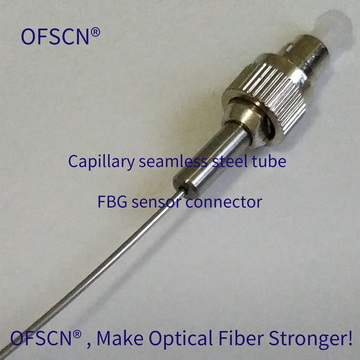
This article introduces the working temperature range of the OFSCN® 100°C Capillary Seamless Steel Tube Fiber Bragg Izgarası (FBG) temperature sensor (FBG thermometer), including its maximum high-temperature endurance and maximum low-temperature values. It also describes the methods and principles for determining the working temperature range of fiber bragg grating temperature sensors (including the stainless steel materials used and the FBG written using ultraviolet lithography).
2. OFSCN® 300°C Capillary Seamless Steel Tube FBG Fiber Bragg Grating Temperature Sensor:
Paslanmaz çelik dikişsiz çelik boru içinde kapsüllenmiş FBG veya FBG dizilerini/dizilerini yazan UV maskesini kullanın. UV maskesi yazılı ve paslanmaz çelik dikişsiz tüpler içine kapsüllenmiş FBG veya FBG dizilerini/dizilerini kullanın. Standart çalışma sıcaklığı aralığı -200 ila +300 santigrat derece. Kısa süreli çalışma sıcaklığı aralığı -200 ila +350 santigrat derece, -200 ila +350 santigrat derece aralığında tekrarlanan kullanıma izin verir (-200 ila +300 santigrat derece ortamda sürekli kullanım).

This article introduces the working temperature range of the OFSCN® 300°C Capillary Seamless Steel Tube Fiber Bragg Izgarası (FBG) temperature sensor (FBG thermometer), including its maximum high-temperature endurance and maximum low-temperature values. It also describes the methods and principles for determining the working temperature range of fiber Bragg grating temperature sensors (including the stainless steel materials used and the femtosecond fiber bragg grating).
3. OFSCN® 600°C Capillary Seamless Steel Tube FBG Fiber Bragg Grating Temperature Sensor:
Paslanmaz çelik dikişsiz çelik boru içinde kapsüllenmiş FBG veya FBG dizilerini/dizilerini Femtosaniye lazerle noktadan noktaya yazma özelliğini kullanın. Standart çalışma sıcaklığı aralığı -200 ila +400 santigrat derece. Kısa süreli çalışma sıcaklığı aralığı -200 ila +400 santigrat derece, -200 ila +400 santigrat derece aralığında tekrarlı kullanıma izin verir (-200 ila +600 santigrat derece ortamlarda sürekli kullanım)
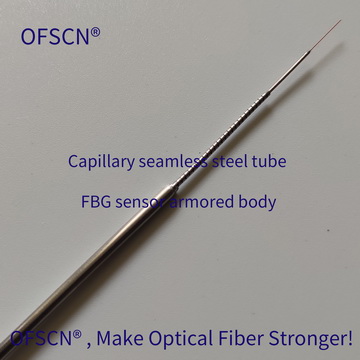
This article introduces the operating temperature range of the OFSCN® 500°C Capillary Seamless Steel Tube Fiber Bragg Grating Temperature Sensor (FBG Thermometer), including its maximum high-temperature ve low-temperature resistance values. It also discusses the determination method ve principles of the operating temperature range of fiber Bragg grating temperature sensors, including the stainless steel material ve femtosecond fiber bragg grating used.
4. OFSCN® 800°C Capillary Seamless Steel Tube FBG Sıcaklık Sensörü:
Paslanmaz çelik dikişsiz çelik boru içinde kapsüllenmiş FBG veya FBG dizilerini/dizilerini Femtosaniye lazerle noktadan noktaya yazma özelliğini kullanın. Standart çalışma sıcaklığı aralığı -269 ila +800 santigrat derece. Kısa süreli çalışma sıcaklığı aralığı -269 ila +1000 santigrat derece (süre bilinmiyor).
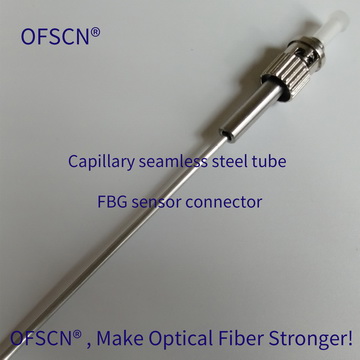
This article introduces the working temperature range of the OFSCN® 800-degree Celsius capillary seamless steel tube fiber bragg grating temperature sensor (FBG thermometer), including the values for its maximum high-temperature ve low-temperature resistance. It also discusses the methods ve principles used to determine the working temperature range of fiber bragg grating temperature sensors, including the stainless steel material ve femtosecond fiber bragg grating used.
Ⅴ. Alçak Gerilim Yalıtımlı Fiber Bragg Izgara Sıcaklık Sensörünün Çalışma Sıcaklığı Aralığı (Ölçüm Aralığı)
The patented OFSCN® capillary series low voltage insulated FBG temperature sensors produced by DCYS, are primarily composed of insulating materials, seamless steel tubes, ve FBGs. Currently, there are two common temperature grades available:
1. OFSCN® Capillary 170°C Low Voltage Insulated Seamless Steel Tube FBG Sıcaklık Sensörü:
Yalıtım malzemeleri ve paslanmaz çelik dikişsiz çelik boru içinde kapsüllenmiş FBG veya FBG dizileri/dizileri yazan UV maskesi kullanın. Standart çalışma sıcaklığı aralığı -60 ila +170 santigrat derecedir.
2. OFSCN® Capillary 250°C Low Voltage Insulated Seamless Steel Tube FBG Sıcaklık Sensörü:
Yalıtım malzemeleri ve paslanmaz çelik dikişsiz çelik boru içinde kapsüllenmiş FBG veya FBG dizileri/dizileri yazan UV maskesi kullanın. Standart çalışma sıcaklığı aralığı -100 ila +250 santigrat derece.
Ⅵ. Seramik Kapsüllü Fiber Bragg Izgara Sıcaklık Sensörünün Çalışma Sıcaklığı Aralığı (Ölçüm Aralığı)
The OFSCN® series insulated FBG Fiber Bragg Grating temperature sensors produced by DCYS are mainly composed of insulating ceramics ve FBGs with different temperature grades. They are suitable for high-voltage ve higher-temperature environments.
At DCYS, the OFSCN® series insulated FBG temperature sensors are divided into five temperature grades, where four of them can be referenced in the previous sections (1, 2, 3, 4). The fifth temperature grade is a super-high-temperature product, with a maximum working temperature of up to +1600 degrees Celsius. This product is custom-made ve is not stocked in regular status. If needed, please contact for customization.
Seramik Kapsüllü FBG sıcaklık sensörünün yapısı aşağıdaki makalede görülebilir:

Ürün Fonksiyonları: Elektrikli durumda tek/çok noktalı sıcaklık tespiti, sıcaklık ölçümü; Gerinim ve stres sensörleri için sıcaklık telafisi.
Ⅶ. Fiber Bragg Izgara Sıcaklık Sensörünün Çalışma Sıcaklığı Aralığı (Ölçüm Aralığı) Nasıl Belirlenir?
The high-temperature part of the temperature measurement range for various OFSCN® series FBG temperature sensors produced, as described above, is based on actual measurements ve is relatively accurate. The low-temperature part (below -60 degrees Celsius) of the working temperature range is determined by theoretical calculations based on working experience ve product material parameters (customers have tested these sensors down to -200 degrees Celsius in actual operations). The reason for using theoretical calculations in the low-temperature range is due to the unavailability of experimental conditions to test such low temperatures, ve thus, the provided data is not measured data.