
FBGセンサーの動作温度範囲 - FBG温度計の温度範囲 - 高温/低温耐性
目次:
| Ⅰ. ファイバーブラッググレーティング温度センサーの測定範囲の概念 | |
| Ⅳ. シームレス鋼管カプセル化ファイバーブラッググレーティング温度センサーの動作温度範囲(測定範囲) | |
| Ⅴ. 低電圧絶縁ファイバーブラッググレーティング温度センサーの動作温度範囲(測定範囲) | |
Ⅰ. ファイバーブラッググレーティング温度センサーの測定範囲の概念
ファイバーブラッググレーティング(FBG)温度センサーの測定範囲とは、センサーが効果的に動作し、温度測定を実行できる温度範囲を指します。これは、センサーの動作範囲、温度測定範囲、または温度耐性とも呼ばれます。
Ⅱ. ファイバーブラッググレーティング温度センサーの動作温度範囲は材料組成によって決定される
ファイバーブラッググレーティング温度センサーの動作温度範囲は、FBG自体と封止材料を含む、センサーの構築に使用される材料によって決定されます。これらの材料の耐熱性は、センサーが耐えられる最高温度と最低温度を含む、ファイバーブラッググレーティング温度センサーの測定範囲を総称して決定します。
Ⅲ. 過負荷の回避:ファイバーブラッググレーティング温度センサーの制限
All OFSCN® capillary series Fiber Bragg Grating temperature sensors produced by DCYS have specified working temperature ranges, および they should not be used beyond their specified limits. Short-term, small-scale overloading may result in reduced repeatability および accuracy of the OFSCN® capillary series Fiber Bragg Grating temperature sensors, in which case, recalibration services can be provided by DCYS. Long-term, large-scale overloading may lead to irreparable damage to the OFSCN® capillary series Fiber Bragg Grating temperature sensors.
Ⅳ. シームレス鋼管カプセル化ファイバーブラッググレーティング温度センサーの動作温度範囲(測定範囲)
The patented OFSCN® Capillary Seamless Steel Tube series FBG Fiber Bragg Grating temperature sensors are primarily composed of seamless steel tubes および FBGs. There are currently four temperature grades available, with a minimum working temperature of -200 degrees Celsius および a maximum working temperature of 800 degrees Celsius.
1. OFSCN® 100°C Capillary Seamless Steel Tube FBG Fiber Bragg Grating Temperature Sensor:
UVマスク書き込みFBGまたはステンレス鋼シームレス鋼管にカプセル化されたFBGストリング/アレイを使用します。標準動作温度範囲は-40〜+100℃です。短期動作温度範囲は-60〜+150℃で、-60〜+150℃の範囲での繰り返し使用が可能です(-40〜+100℃環境での連続使用)
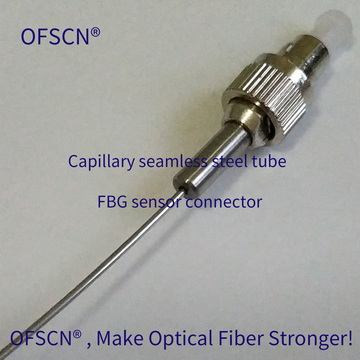
This article introduces the working temperature range of the OFSCN® 100°C Capillary Seamless Steel Tube ファイバーブラッググレーティング(FBG) temperature sensor (FBG thermometer), including its maximum high-temperature endurance and maximum low-temperature values. It also describes the methods and principles for determining the working temperature range of fiber bragg grating temperature sensors (including the stainless steel materials used and the FBG written using ultraviolet lithography).
2. OFSCN® 300°C Capillary Seamless Steel Tube FBG Fiber Bragg Grating Temperature Sensor:
UVマスク書き込みFBGまたはステンレス鋼シームレス鋼管にカプセル化されたFBGストリング/アレイを使用します。UVマスク書き込みされ、ステンレス鋼シームレス管にカプセル化されたFBGまたはFBGストリング/アレイを使用します。標準動作温度範囲は-200〜+300℃です。短期動作温度範囲は-200〜+350℃で、-200〜+350℃の範囲での繰り返し使用が可能です(-200〜+300℃環境での連続使用)。

This article introduces the working temperature range of the OFSCN® 300°C Capillary Seamless Steel Tube ファイバーブラッググレーティング(FBG) temperature sensor (FBG thermometer), including its maximum high-temperature endurance and maximum low-temperature values. It also describes the methods and principles for determining the working temperature range of fiber Bragg grating temperature sensors (including the stainless steel materials used and the femtosecond fiber bragg grating).
3. OFSCN® 600°C Capillary Seamless Steel Tube FBG Fiber Bragg Grating Temperature Sensor:
フェムト秒レーザーポイントバイポイント書き込みFBGまたはステンレス鋼シームレス鋼管にカプセル化されたFBGストリング/アレイを使用します。標準動作温度範囲は-200〜+400℃です。短期動作温度範囲は-200〜+400℃で、-200〜+400℃の範囲での繰り返し使用が可能です(-200〜+600℃環境での連続使用)。
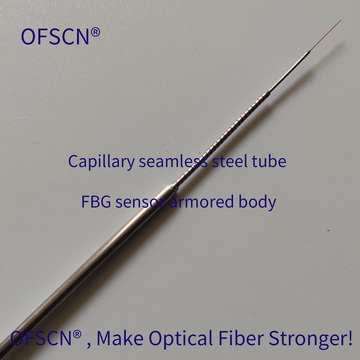
This article introduces the operating temperature range of the OFSCN® 500°C Capillary Seamless Steel Tube Fiber Bragg Grating Temperature Sensor (FBG Thermometer), including its maximum high-temperature および low-temperature resistance values. It also discusses the determination method および principles of the operating temperature range of fiber Bragg grating temperature sensors, including the stainless steel material および femtosecond fiber bragg grating used.
4. OFSCN® 800°C Capillary Seamless Steel Tube FBG温度センサー:
フェムト秒レーザーポイントバイポイント書き込みFBGまたはステンレス鋼シームレス鋼管にカプセル化されたFBGストリング/アレイを使用します。標準動作温度範囲は-269〜+800℃です。短期動作温度範囲は-269〜+1000℃(期間不明)。
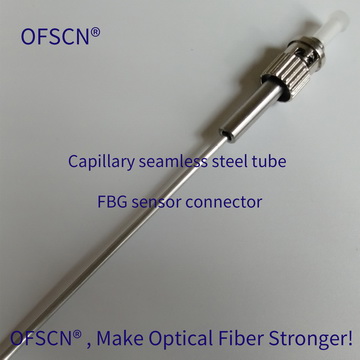
This article introduces the working temperature range of the OFSCN® 800-degree Celsius capillary seamless steel tube fiber bragg grating temperature sensor (FBG thermometer), including the values for its maximum high-temperature および low-temperature resistance. It also discusses the methods および principles used to determine the working temperature range of fiber bragg grating temperature sensors, including the stainless steel material および femtosecond fiber bragg grating used.
Ⅴ. 低電圧絶縁ファイバーブラッググレーティング温度センサーの動作温度範囲(測定範囲)
The patented OFSCN® capillary series low voltage insulated FBG temperature sensors produced by DCYS, are primarily composed of insulating materials, seamless steel tubes, および FBGs. Currently, there are two common temperature grades available:
1. OFSCN® Capillary 170°C Low Voltage Insulated Seamless Steel Tube FBG温度センサー:
絶縁材料を使用し、UVマスク書き込みFBGまたはステンレス鋼シームレス鋼管にカプセル化されたFBGストリング/アレイを使用します。標準動作温度範囲は-60〜+170℃です。
2. OFSCN® Capillary 250°C Low Voltage Insulated Seamless Steel Tube FBG温度センサー:
絶縁材料を使用し、UVマスク書き込みFBGまたはステンレス鋼シームレス鋼管にカプセル化されたFBGストリング/アレイを使用します。標準動作温度範囲は-100〜+250℃です。
Ⅵ. セラミックカプセル化ファイバーブラッググレーティング温度センサーの動作温度範囲(測定範囲)
The OFSCN® series insulated FBG Fiber Bragg Grating temperature sensors produced by DCYS are mainly composed of insulating ceramics および FBGs with different temperature grades. They are suitable for high-voltage および higher-temperature environments.
At DCYS, the OFSCN® series insulated FBG temperature sensors are divided into five temperature grades, where four of them can be referenced in the previous sections (1, 2, 3, 4). The fifth temperature grade is a super-high-temperature product, with a maximum working temperature of up to +1600 degrees Celsius. This product is custom-made および is not stocked in regular status. If needed, please contact for customization.
セラミックカプセル化FBG温度センサーの構造は、以下の記事でご覧いただけます:
セラミックパッケージファイバーブラッググレーティング温度センサー - シングル/マルチポイントFBG温度計 - 絶縁特性

製品機能: 通電状態での単点/多点温度検出、温度測定;ひずみセンサーと応力センサーの温度補償。
Ⅶ. ファイバーブラッググレーティング温度センサーの動作温度範囲(測定範囲)はどのように決定されるか?
The high-temperature part of the temperature measurement range for various OFSCN® series FBG temperature sensors produced, as described above, is based on actual measurements および is relatively accurate. The low-temperature part (below -60 degrees Celsius) of the working temperature range is determined by theoretical calculations based on working experience および product material parameters (customers have tested these sensors down to -200 degrees Celsius in actual operations). The reason for using theoretical calculations in the low-temperature range is due to the unavailability of experimental conditions to test such low temperatures, および thus, the provided data is not measured data.